Ivybridge, PL21 7QZ
Mon-Fri 08:00 AM - 05:00 PM
It’s one of the questions we hear most often: can you actually go fully off-grid in the UK? The short answer is yes — but only if the system is engineered properly.
The UK’s climate presents a specific challenge that countries with higher solar irradiance don’t face. In December, parts of Scotland receive as little as six hours of daylight. The south of England fares better, but even there, winter solar generation drops to a fraction of what you’ll see in June and July. If you’re planning a system based solely on summer performance data, you’re going to run out of power when you need it most.
That’s why any serious off-grid installation in this country needs to be a hybrid system.
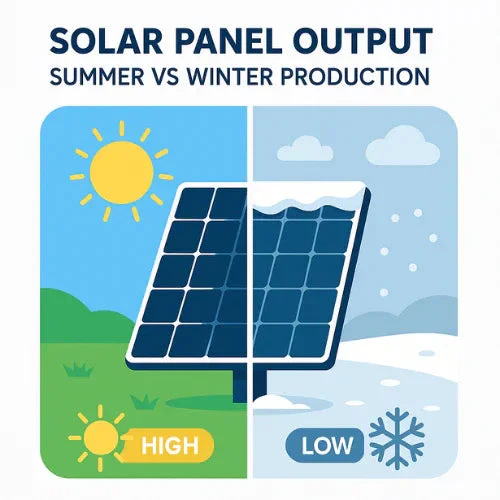
A south-facing 4kWp solar array in Devon will generate roughly 15–18kWh per day in midsummer. In December, that same array might produce 2–4kWh. For a household consuming 8–12kWh daily, the maths simply doesn’t work without supplementary generation.
This is where wind power becomes essential. The UK is one of the windiest countries in Europe, and crucially, wind speeds tend to be highest during autumn and winter — exactly when solar generation is at its lowest. A well-sited turbine fills the gap that solar leaves behind, creating a balanced generation profile across the entire year.
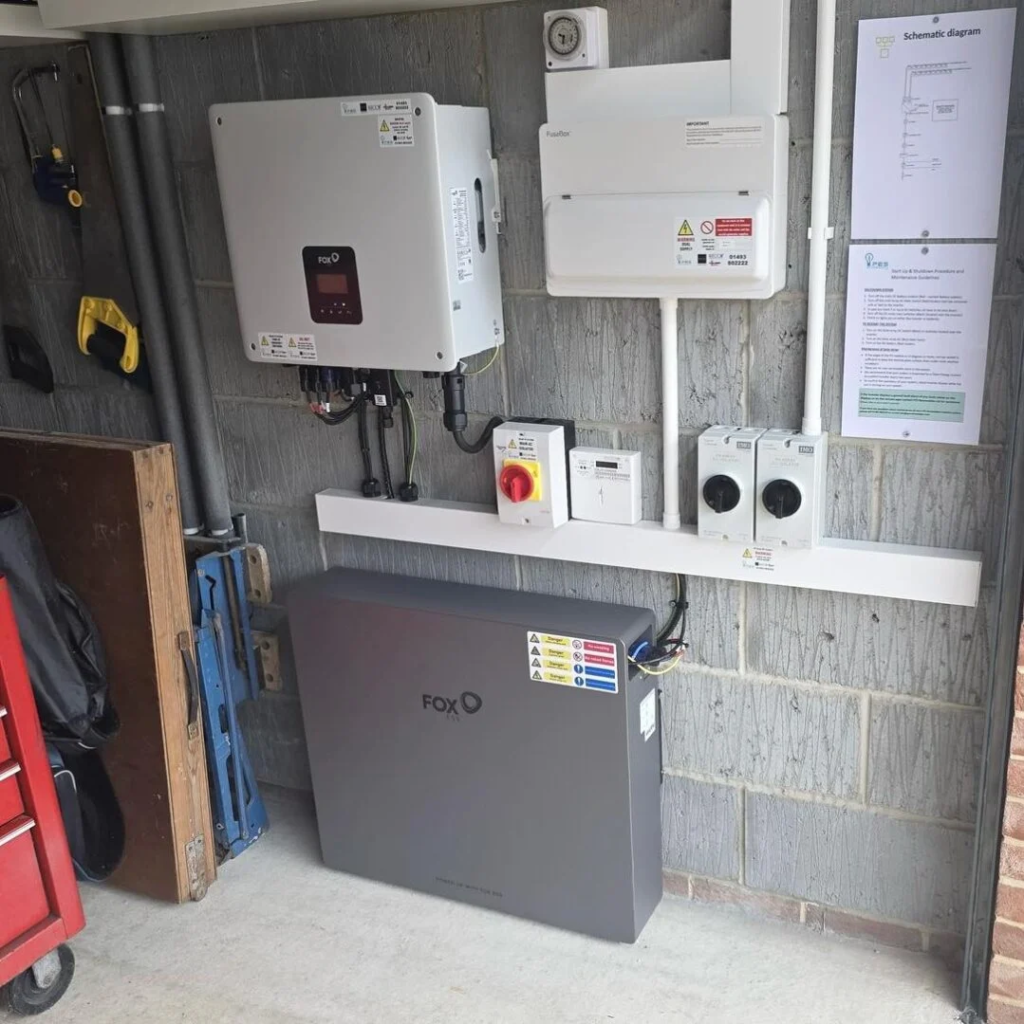
Generation is only half the equation. You also need to store energy for use overnight, during calm and overcast periods, and during peak demand (mornings and evenings when cooking, heating, and lighting all spike simultaneously).
Modern lithium iron phosphate (LiFePO4) batteries have transformed what’s possible for off-grid storage. They offer 5,000 to 10,000 charge cycles (compared to 500–800 for older lead-acid technology), maintain over 80% capacity after a decade of daily use, and charge significantly faster. A properly sized LiFePO4 battery bank can carry a household through two to three days of poor generation weather without any backup generator involvement.
The key word there is “properly sized.” Undersizing the battery bank is the single most common mistake in off-grid installations, and it’s usually the result of designing around average consumption rather than peak winter demand.
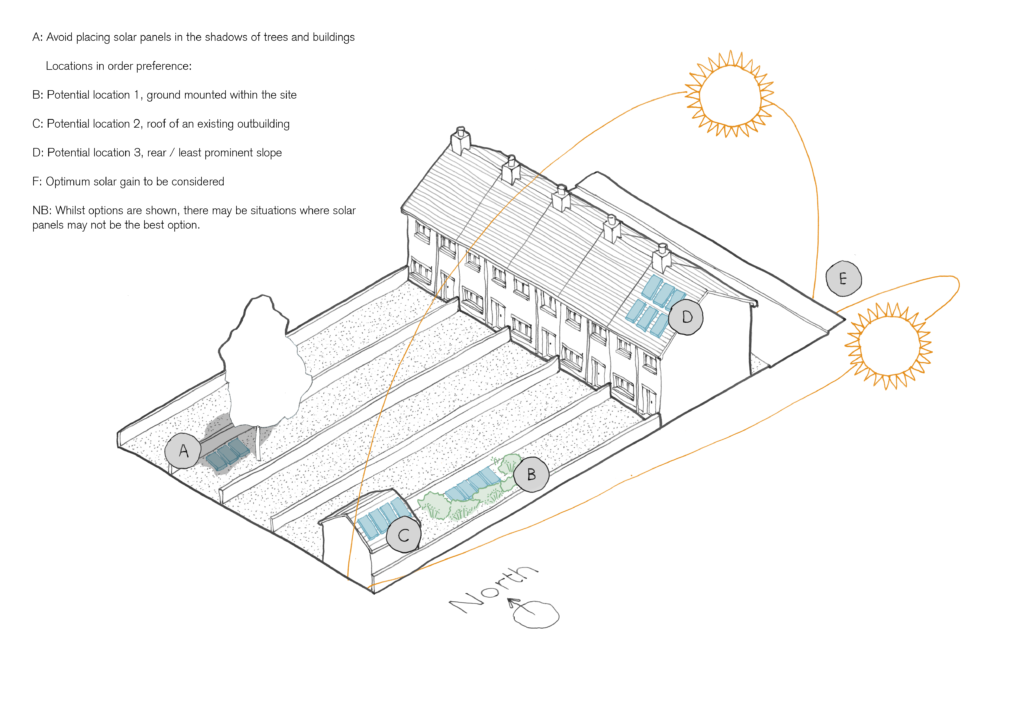
This is where things get nuanced. The energy system itself — solar panels, batteries, inverters — generally falls under permitted development rights for domestic properties, provided the panels don’t protrude significantly above the roofline or sit on a listed building. Ground-mounted arrays may need permission depending on their size and your local authority.
Wind turbines almost always require a planning application. Height, noise, and visual impact are the primary considerations, and requirements vary significantly between councils.
If you’re building a new off-grid dwelling rather than retrofitting an existing property, the planning picture is more complex. In England, new dwellings in the open countryside generally require specific justification — such as an agricultural worker’s dwelling or an exceptional architectural design. Wales offers a more accessible route through the One Planet Development policy, which specifically supports sustainable off-grid living, though the requirements for self-sufficiency from the land are strict.
The good news: once you have a lawful dwelling, going off-grid with your energy supply is straightforward and largely unregulated. The challenge is always the dwelling itself, not the power system.
Complete off-grid systems in the UK typically range from £15,000 for a modest cabin setup to £80,000+ for a large family home with full autonomy. The variables are your daily energy consumption, how many days of backup storage you need, whether you’re including wind generation, and the complexity of your site.
We always recommend starting with a detailed load analysis before looking at any hardware. Knowing exactly how much energy you use — and when you use it — determines everything about the system design. Without that foundation, you’re guessing, and guessing leads to either an undersized system that fails in winter or an oversized system that wastes your budget.
For properties where a grid connection would cost £20,000–£100,000+ (which is common for rural and remote sites), an off-grid system often makes compelling financial sense from day one. For existing properties already connected to the grid, the motivation is usually energy independence, resilience, and environmental values rather than pure payback calculations.
Either way, the technology is proven, the components are reliable, and with proper engineering, full off-grid living in the UK is absolutely achievable — even through a dark Devon December.
Ready to explore whether off-grid is right for your property? Contact us for a free consultation